
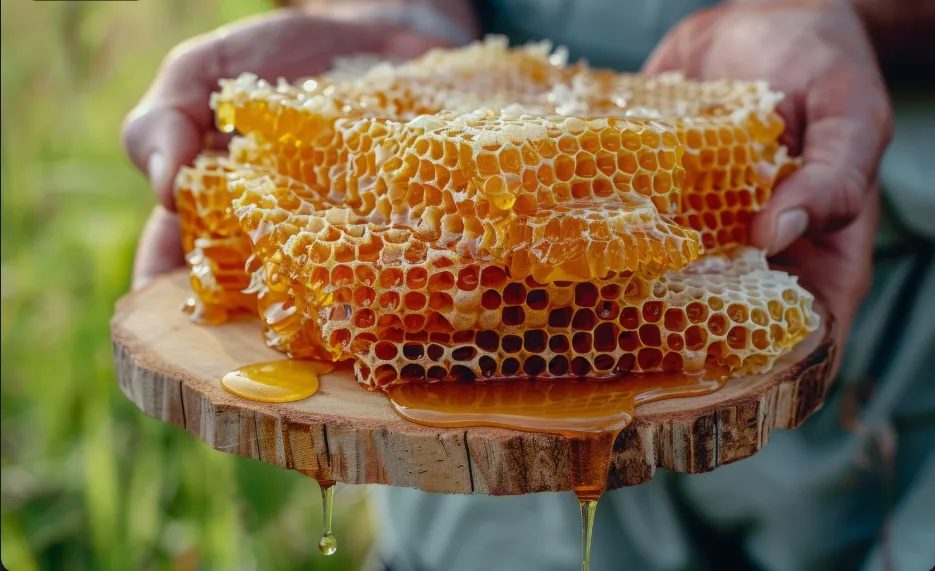
Most people know honey is a natural sweetener, but far fewer know how much it actually does for the body. The version that delivers real benefits is not the ultra-clear, perfectly runny jar sitting on most supermarket shelves. Pure raw honey is unheated, unfiltered, and minimally processed, which means it retains more of the bioactive compounds that can be reduced during processing. The difference in composition between these two products can be meaningful.
What Makes Pure Raw Honey Unique?
Pure raw honey is extracted without high heat or ultrafiltration, preserving its natural enzymes, pollen, antioxidants, and antimicrobial compounds. Processed honey is pasteurized for shelf stability and appearance, but that heating can reduce some of the compounds that contribute to honey’s biological activity.
The result is two very different products. Raw honey retains flavonoids, phenolic acids, hydrogen peroxide-generating enzymes, and prebiotic compounds. Processed honey retains sweetness but typically contains lower levels of these compounds.
1. Powerful Natural Antioxidant Source
Raw honey contains flavonoids and phenolic acids that neutralize free radicals in the body. These compounds protect cells from oxidative damage, which is associated with ageing and chronic disease development.
The antioxidant content varies by floral source and color. Darker honeys, such as buckwheat, generally contain higher concentrations of phenolic compounds than lighter varieties.
Long-Term Protection for Chronic Disease
Regular consumption of antioxidant-rich foods is associated with lower risk factors for heart disease, certain cancers, and age-related cellular damage. Honey is not a treatment for any of these conditions, but its polyphenol content can contribute to a diet that supports long-term health
2. Supports Heart and Cardiometabolic Health
Moderate honey consumption can improve cholesterol profiles, specifically by reducing LDL cholesterol and triglycerides while maintaining or slightly improving HDL levels. Single-origin and minimally processed varieties may show stronger associations in some studies.
Blood Pressure and Vascular Benefits
Modest improvements in blood pressure among individuals who consume honey regularly compared to those consuming equivalent amounts of refined sugar. The antioxidant compounds are thought to reduce vascular oxidative stress, which contributes to this effect.
3. Proven Antibacterial and Wound-Healing Actions
Raw honey has several overlapping antimicrobial mechanisms that make it genuinely effective against a wide range of bacteria:
- High sugar concentration draws moisture out of bacterial cells
- Low pH creates an acidic environment hostile to microbial growth
- Enzyme activity produces hydrogen peroxide with antibacterial properties
- Phytochemicals from certain floral sources add additional antimicrobial activity
Evidence in Wound and Burn Healing
Medical-grade honey, particularly manuka, has a well-documented clinical record in treating ulcers, burns, and infected wounds. Home use for minor cuts is reasonable, but serious wounds require proper medical treatment regardless of honey’s known properties.
4. Soothes Coughs and Sore Throats
The World Health Organization lists honey as a demulcent, a substance that coats and soothes irritated mucous membranes. Research published in peer-reviewed journals has found honey to be as effective as some over-the-counter cough suppressants for reducing cough frequency and severity, particularly at night in children.
A spoonful of raw honey in warm water or herbal tea creates a coating effect on the throat that provides genuine comfort during illness. The antibacterial properties also contribute to reducing irritation caused by mild bacterial throat infections.
5. Supports Gut Health and Digestion
Raw honey contains oligosaccharides that function as prebiotics, meaning they selectively nourish beneficial bacteria like Lactobacillus and Bifidobacterium in the gut. A well-supported microbiome is associated with digestion, immune function, and aspects of mood regulation.
Potential Benefits for Digestive Issues
Honey has been studied for its potential effects against H. pylori, the bacterium associated with stomach ulcers.
Key points to note:
- Evidence is still developing
- Not a substitute for professional medical advice
6. May Aid Brain Health and Sleep
The antioxidants in honey may support memory, protect neurons from stress-related damage, and contribute to a calmer stress response.
Raw Honey and Better Sleep
Taking a spoonful of honey before bed may improve sleep quality. The proposed mechanism involves honey supporting the release of melatonin through a modest insulin response that allows tryptophan to enter the brain more easily. It is a low-risk addition to a bedtime routine worth trying.
7. A Healthier Sweetener Alternative
Honey has a lower glycemic index than refined sucrose, meaning it produces a slower rise in blood glucose when consumed in equivalent amounts. It has a less disruptive metabolic impact than table sugar, though it is still a sugar and should be treated as one in terms of daily intake.
Practical Swaps in Daily Life
Small, consistent swaps make a real difference over time. Practical options include:
- Replace sugar in tea or coffee with half a teaspoon of raw honey
- Stirring plain yoghurt instead of buying sweetened varieties
- Using in salad dressings instead of refined sugar
- Drizzling over oatmeal rather than adding syrup
Keeping portions to one or two teaspoons at a time keeps benefits realistic without adding excessive sugar to the daily diet.
How to Choose High-Quality Pure Raw Honey
Choosing well at the point of purchase determines how much benefit you actually get. Key things to look for on the label:
- The word “raw” or “unheated” is clearly stated
- A named floral source or single-origin region
- No added ingredients beyond pure honey
- A producer with traceable sourcing and transparent practices
Raw vs Regular Honey at a Glance
- Raw honey: Retains enzymes, pollen, antioxidants, and prebiotic compounds
- Processed honey: Pasteurized for clarity and shelf life, most bioactive content removed
- Texture: Raw honey crystallizes naturally; processed honey stays liquid through heating
- Flavor: Raw varieties have more complex, layered flavor profiles
Safe Use, Side Effects, and Who Should Avoid It
Pure raw honey is safe for most healthy adults, but carries two important exceptions:
- Never give raw honey to infants under 12 months old due to the risk of infant botulism
- People with bee-related allergies or compromised immune systems should consult a doctor before using raw honey regularly
How Much Is Moderation?
One to two teaspoons per serving is a reasonable portion for most adults. Total daily intake should sit comfortably within overall sugar limits rather than being added on top of an already high-sugar diet. Anyone managing diabetes, heart disease, or digestive conditions should discuss honey use with their healthcare provider before making it a regular habit.
Takeaway
Raw honey is one of the few natural foods where the science genuinely supports the reputation. From antioxidant protection and gut health to wound healing and sleep, the benefits are real, measurable, and well-documented across independent research.
The quality of honey you choose determines how much of this you actually get. Fleures Honey sources raw honey that is honest about what it is, where it comes from, and how it has been handled from hive to jar. Each product is sourced and handled with an emphasis on quality and transparency.
Explore today and know exactly what you are getting in every jar.

